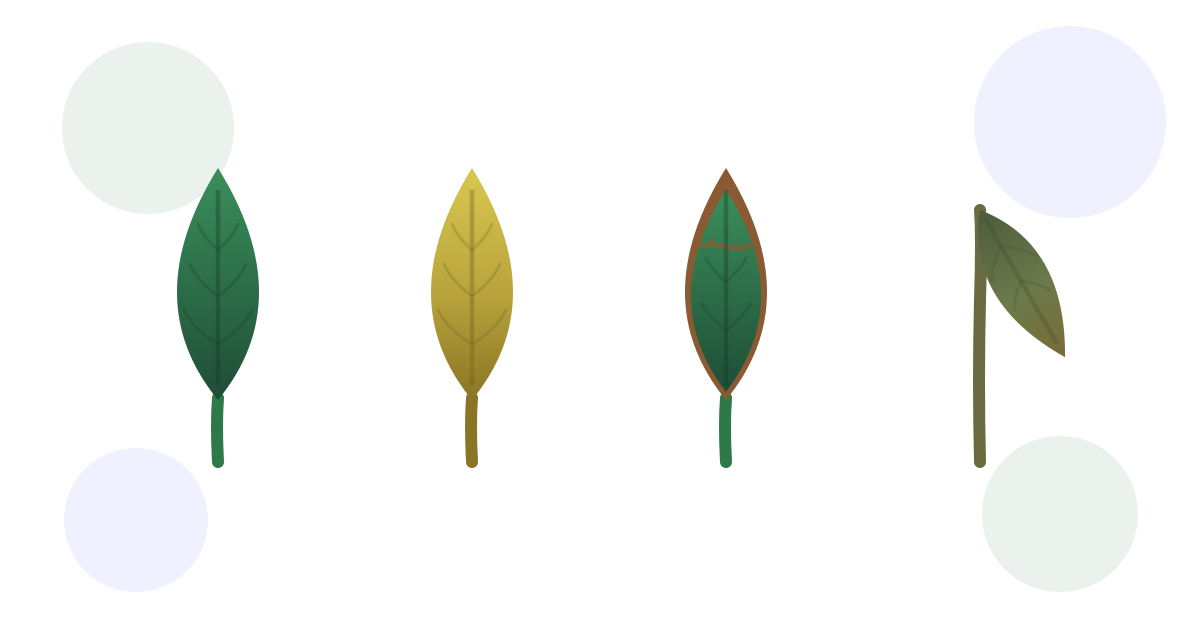
You notice a yellow leaf on your monstera. You Google it. The first result says overwatering. The second says underwatering. The third says it's normal. The fourth is trying to sell you fertilizer. Twenty minutes later you know less than when you started.
This is the fundamental problem with plant diagnosis: the same symptom can have completely different causes, and a generic search engine has no way to know which one applies to your plant, in your home, with your care habits.
Why the same symptom means different things
A yellow leaf on a plant you watered two days ago is a very different story from a yellow leaf on a plant you haven't touched in three weeks. The first might be sitting in soggy soil with roots that can't breathe. The second is probably just thirsty. Same symptom, opposite causes, opposite solutions.
Here are a few common symptoms and the range of things they could actually mean:
- Yellow leaves starting from the bottom: This is often overwatering, especially if the soil feels damp and the yellowing spreads upward. But it can also be natural aging, with lower leaves dying off as the plant puts energy into new growth. The difference? Check if the soil is staying wet between waterings and whether new leaves still look healthy.
- Brown, crispy leaf tips: The classic sign of low humidity, especially common with calatheas, ferns, and prayer plants. But it can also mean inconsistent watering (letting the soil completely dry out and then flooding it), or mineral buildup from tap water. If you're only seeing it on the tips and edges, humidity is the likely culprit.
- Drooping leaves even though the soil is wet: This is the scary one. It usually means root rot. The roots are damaged and can't absorb water even though it's there. It happens when soil stays waterlogged for too long, especially in pots without drainage holes. The counterintuitive fix: stop watering and check the roots.
- Pale, leggy, stretched-out growth: Your plant is reaching for light it can't find. This is common in winter or when plants are placed far from windows. The stems get long and thin, leaves get smaller, and the plant starts leaning dramatically toward the nearest light source.
- Leaf spots (brown, black, or mushy): Could be fungal or bacterial, often triggered by water sitting on leaves. But dark spots can also be sunburn from sudden exposure to direct light, especially on plants that were previously in shade.
Context is the missing piece
Notice how every symptom above comes with "but it could also be..." caveats? That's why Googling plant problems is so frustrating. Without knowing the specific context (when you last watered, where the plant sits, what the weather's been like, what species it is), you're just guessing.
This is exactly the problem we designed Leafwise's diagnosis feature around. When you take a photo of a problem in Leafwise, it doesn't just analyze the image. It also knows:
- When you last watered this specific plant
- Where it's placed (which window, indoor or outdoor)
- What your local weather has been like recently
- Whether you've made any recent changes (repotted, moved, fertilized)
- What's normal behavior for this species vs. what's a red flag
That context is what turns "your leaves are yellow" from five possible diagnoses into one likely answer with a clear next step.
The best diagnosis is the one you don't need
Honestly, we'd rather you never have to use the diagnosis feature. The goal with Leafwise is to help you build care habits that prevent problems in the first place: watering based on actual conditions rather than a timer, noticing when light changes with the seasons, understanding what each plant needs before it starts showing stress.
But plants are living things, and sometimes things go wrong no matter how attentive you are. When they do, having a tool that understands your specific situation beats scrolling through generic advice articles every time.